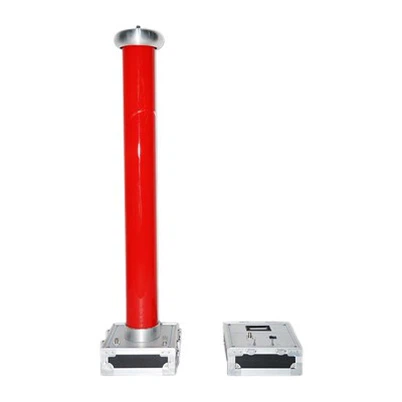

Transformer Tester Maintenance
Leave a message
Transformer testers are key equipment in power systems used to test transformer performance. Their measurement accuracy and stability directly affect the accuracy of transformer fault diagnosis. To ensure long-term stable operation, systematic maintenance is essential, encompassing daily use, regular upkeep, troubleshooting, and storage management.
Key Maintenance Points During Daily Use
Basic checks and cleaning should be performed before and after each use to prevent external factors from damaging the instrument or causing measurement errors:
Inspect Test Leads and Connectors: Confirm that the insulation of the test leads is undamaged and that the alligator clips are not loose or oxidized. If cracks are found, replace them immediately to avoid leakage or poor contact.
Clean Surfaces: Wipe the instrument casing and terminals with a clean, soft, dry cloth to remove dust and oil. Do not use corrosive solvents such as alcohol or acetone to wipe the display screen.
Power Management: For portable devices with built-in batteries, charge them promptly when the battery level drops below 20%, and disconnect the power after fully charging. If not used for extended periods, recharge the battery monthly to prevent battery aging.
Moisture and Dust Prevention: After use in humid environments, the instrument should be placed in a dry place as soon as possible and protected with a dust cover.
Regular Maintenance and Calibration:To ensure measurement accuracy, in-depth maintenance and professional calibration are required periodically:
Quarterly Inspection: Disconnect the test leads from the main unit every quarter. Use fine sandpaper to polish oxidized contacts, then wipe them with anhydrous ethanol using a cotton swab to restore conductivity. Simultaneously clean dust from the heat dissipation holes; a hairdryer on a cool setting can be used to blow it away.
Annual Calibration: Send the instrument to a qualified metrology institution annually for accuracy calibration. Adjust internal parameters by comparing with standard values to ensure compliance with industry standards such as DL/T. Also, calibrate the wiring group identification function.
Software Updates: Regularly check for firmware upgrade packages released by the manufacturer and update promptly to fix software issues such as data storage failures and abnormal curve display.