
Working Principle of a High Voltage Tester: How It Works
Leave a message
. What Is a High Voltage Tester?
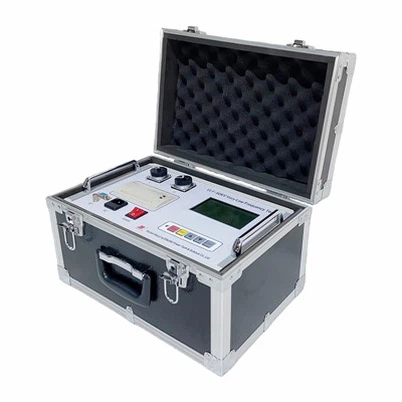
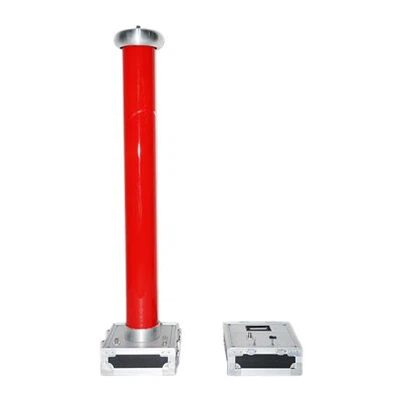
A high voltage tester is an electrical testing device designed to verify the dielectric withstand capability of insulation systems.During a test, the instrument generates a specified AC or DC voltage and applies it between two designated electrical points, such as a conductor and its grounded enclosure.The tester monitors the current flowing through the test circuit and checks whether it remains within the preset acceptance limits.If the measured current exceeds the configured threshold or a breakdown event occurs, the instrument can trigger an alarm or protection response, depending on its design.Common applications include:
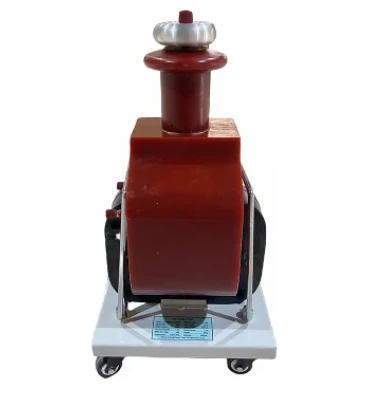
- Power Transformers: Evaluating insulation withstand capability between windings and ground.
- Electrical Cables: Checking the insulation performance of cable systems under specified test conditions.
- Switchgear: Performing dielectric withstand tests on electrical insulation structures.
- Electric Motors: Testing insulation between motor windings and the motor frame.
- Electrical Components: Verifying the dielectric strength of components used in electrical systems.
It is important to distinguish a dielectric withstand test from an insulation resistance test. A high voltage withstand test evaluates whether insulation can withstand a specified test voltage for a defined period, while an insulation resistance test measures resistance using an insulation resistance meter.
2. How Does a High Voltage Tester Work?
The working principle of a high voltage tester involves several key stages: voltage generation, voltage regulation, high voltage application, current
monitoring, and test result evaluation.The specific circuit design varies depending on the equipment type and whether it performs AC or DC testing.
2.1 Voltage Regulation and Generation
The testing process begins with an input power supply.The internal voltage regulation circuit adjusts the input voltage according to the required test settings. A high voltage transformer or another suitable high-voltage conversion circuit then increases the voltage to the required testing level.For AC high voltage testers, the transformer generates an elevated AC output voltage.For DC high voltage testers, the circuit typically includes a rectifier and filtering components to convert the generated AC voltage into a high DC voltage.The control system allows the operator to set the required test voltage, test duration, and other parameters supported by the instrument.
2.2 Applying High Voltage to the Device Under Test
After the required voltage is generated, the tester applies it to the designated test points of the device under test (DUT).For example, when testing the insulation of an electrical cable, the high voltage may be applied between the conductor and the grounded metallic shield, according to the applicable test procedure.The purpose is to create an electrical stress across the insulation system and evaluate whether it can withstand the specified voltage.During this process, the test voltage must be controlled and maintained according to the required testing conditions.
2.3 Leakage Current Monitoring
One of the most important functions of a high voltage tester is leakage current monitoring.When a voltage is applied across an insulating material, a small current may flow through or around the insulation. This current can include different components depending on the test method and the electrical characteristics of the DUT.For AC testing, the measured current may include capacitive current as well as resistive leakage current.For DC testing, the current may initially include charging and dielectric absorption components before approaching a more stable leakage current.If the insulation has defects, such as cracks, contamination, moisture, or deterioration, the electrical behavior may change and abnormal current levels or other failure indicators may appear.The tester monitors the measured current and compares it with the preset limit.If the current exceeds the configured threshold, the instrument may activate an overcurrent protection function and terminate the test.
2.4 Breakdown Detection and Test Result Evaluation
Insulation breakdown occurs when the insulating material can no longer withstand the applied electrical stress, resulting in an electrical discharge or conductive path.A high voltage tester may identify abnormal conditions through:
- Leakage current exceeding the preset limit.
- Sudden current increases.
- Breakdown or flashover detection.
- Protection circuit activation.
The instrument then provides a test result based on its measurement and protection logic.A PASS result indicates that the measured conditions remained within the configured acceptance limits during the test.A FAIL result indicates that the test conditions exceeded one or more preset limits or that a detected failure event occurred.The test results can help engineers evaluate insulation performance and identify potential problems during manufacturing or maintenance inspections.
3. What Are the Main Components of a High Voltage Tester?
Although different high voltage testers use different circuit designs, most systems contain several important functional modules.
3.1 High Voltage Transformer
The high voltage transformer increases the input voltage to the required testing level.Its voltage rating, insulation structure, and output capacity influence the equipment's ability to perform different high voltage testing tasks.
3.2 Voltage Regulation and Control Circuit
This circuit controls the output voltage and allows operators to adjust testing parameters.Depending on the equipment design, it may support automatic voltage adjustment, programmable test sequences, and voltage ramp control.
3.3 Rectifier and Filtering Circuit
In DC high voltage testers, the rectifier converts AC voltage into DC voltage.Filtering components help reduce output ripple and provide a more stable DC output.The actual circuit configuration depends on the required output voltage and equipment design.
3.4 Measurement Circuit
The measurement circuit monitors electrical parameters such as output voltage and leakage current.Accurate measurement is essential for evaluating test conditions and determining whether the DUT meets the specified acceptance criteria.
3.5 Protection System
The protection system helps prevent unsafe operating conditions and protects the instrument and DUT.Common protection functions include:
- Overcurrent protection.
- Overvoltage protection.
- Emergency stop.
- Test time control.
- Grounding and interlock protection, where supported.
These functions help improve operational safety during high voltage testing.
4. AC vs. DC High Voltage Testing: What Is the Difference?
High voltage testers can use AC or DC output depending on the test requirements and the equipment under evaluation.Understanding their differences is important when selecting a suitable testing method.
| Comparison | AC High Voltage Testing | DC High Voltage Testing |
|---|---|---|
| Output | Alternating voltage | Direct voltage |
| Voltage polarity | Changes periodically | Maintains one polarity |
| Current characteristics | Includes capacitive and resistive components | Includes charging, absorption, and leakage components |
| Typical applications | Dielectric withstand testing of various electrical products | Specified DC withstand testing and particular insulation systems |
| Main consideration | Capacitive current and test frequency | Charging behavior, residual charge, and discharge requirements |
When Should You Choose AC Testing?
AC high voltage testing is commonly used to evaluate insulation under alternating electrical stress.It is suitable for many dielectric withstand tests involving electrical equipment, cables, and components, provided the selected method meets the applicable testing standard.
When Should You Choose DC Testing?
DC high voltage testing is used in applications where a direct voltage test is specified.It can be useful for certain cable systems, insulation testing procedures, and other specialized applications.However, AC and DC test voltages are not automatically interchangeable. The appropriate voltage, duration, and testing method must follow the relevant equipment specifications and applicable standards.
Contact Us for More Information
5. What Applications Require High Voltage Testing?
High voltage testing is an important part of electrical equipment manufacturing, quality inspection, and maintenance.Different electrical products require different test procedures depending on their insulation structure and operating conditions.
Transformer Testing
Power transformers contain insulation systems between windings, between windings and ground, and between other electrical components.High voltage withstand testing can help evaluate whether these insulation systems meet the specified dielectric requirements.
Power Cable Testing
Power cables rely on insulation materials to prevent electrical leakage and withstand operating voltage.Specified high voltage testing methods can help evaluate cable insulation performance and identify certain insulation defects.The appropriate test method depends on cable type, voltage class, condition, and applicable standards.
Switchgear Testing
Switchgear contains multiple electrical components, including circuit breakers, busbars, and insulation structures.Dielectric withstand testing helps verify the insulation performance of designated electrical circuits and components.
Electric Motor Testing
Motor windings require reliable insulation between conductors and between windings and the motor frame.High voltage withstand testing is commonly used during motor manufacturing and quality inspection to evaluate this insulation system.

Electrical Component Testing
Electrical components such as connectors, switches, capacitors, and power supply assemblies may also require dielectric withstand testing.The testing voltage and duration should be determined according to the component design and applicable requirements.
6. What Safety Measures Are Required During High Voltage Testing?
High voltage testing involves potentially dangerous electrical energy. Proper safety procedures are essential to protect operators and equipment.The following measures should be considered during testing.
6.1 Isolate the Test Area
+
-
The testing area should be clearly marked and restricted to authorized personnel.Warning signs and physical barriers help prevent accidental contact with energized equipment.
6.2 Check Grounding Connections
+
-
Verify that the tester and the DUT are connected according to the manufacturer's grounding instructions and the applicable test procedure.Proper grounding is important for reducing electrical hazards.
6.3 Use Appropriate Protection Functions
+
-
Ensure that the instrument's available protection functions are configured correctly before starting the test.Operators should understand the emergency stop procedure and the equipment's abnormal-condition response.
6.4 Discharge the DUT After Testing
+
-
After a DC high voltage test, capacitive components may retain residual electrical charge even after the output voltage has been switched off.The DUT must be discharged using an appropriate procedure and suitable discharge equipment.Operators must verify that the equipment is in a safe condition before touching any test connections.
6.5 Follow the Manufacturer's Operating Instructions
+
-
Testing voltage, duration, connection methods, and discharge procedures should follow the equipment manual and relevant electrical safety standards.Only trained and authorized personnel should operate high voltage testing equipment
7. How to Choose the Right High Voltage Tester?
Selecting a suitable high voltage tester requires more than comparing maximum output voltage.Buyers should consider the actual testing application, electrical characteristics of the DUT, and required testing standards.
Required Test Voltage
1
>>
AC or DC Output
2
>>
Leakage Current Measurement Range
3
>>
Protection Functions
4
>>
Test Automation and Data Recording
5
>>
Application-Specific Requirements
6
Required Test Voltage Determine the maximum test voltage required by the application.The selected instrument should provide an appropriate voltage range and sufficient output capability for the intended testing conditions.
AC or DC Output Confirm whether the testing procedure requires AC or DC voltage.Some applications have specific requirements that do not allow one testing method to replace another.
Leakage Current Measurement Range Check the instrument's current measurement range, resolution, and accuracy.The available measurement capability should match the expected current characteristics and acceptance limits of the DUT.
Protection Functions Consider whether the instrument provides overcurrent protection, overvoltage protection, emergency stop, automatic test termination, and other safety functions required by the application.
Test Automation and Data Recording For manufacturing facilities and testing laboratories, automatic test sequences and data recording can improve testing efficiency and consistency.Buyers should consider whether the equipment supports programmable test settings, data storage, communication interfaces, or integration with existing testing systems.
Application-Specific Requirements
Different products require different testing methods.Before selecting equipment, buyers should identify:
- The type of electrical equipment being tested.
- The required test voltage and duration.
- AC or DC testing requirements.
- Applicable testing standards.
- Required measurement and protection functions.
Discussing these details with the equipment manufacturer can help identify a suitable testing solution.
8. Frequently Asked Questions About High Voltage Testers
Q1: What Is the Main Purpose of a High Voltage Tester?
A high voltage tester is mainly used to evaluate the dielectric withstand capability of electrical equipment and components. It applies a specified high voltage and monitors the electrical response to identify insulation failures or abnormal conditions.
Q2: How Does a High Voltage Tester Detect Insulation Failure?
The instrument monitors parameters such as leakage current during the test. If the measured current exceeds a preset threshold or a breakdown event is detected, the tester can trigger an alarm or terminate the test.
Q3: What Is the Difference Between a High Voltage Tester and an Insulation Resistance Tester?
A high voltage tester performs a dielectric withstand test to evaluate whether insulation can withstand a specified test voltage for a defined period.An insulation resistance tester measures the resistance of an insulating material using a specified DC test voltage.Although both instruments are used for insulation evaluation, they serve different testing purposes.
Q4: Can a High Voltage Tester Perform Both AC and DC Tests?
Some high voltage testing systems support both AC and DC output, while others are designed for only one testing method.Buyers should check the equipment specifications and confirm that the instrument supports the required test voltage, output mode, and application.
Q5: Why Is Leakage Current Important During High Voltage Testing?
Leakage current provides information about the electrical behavior of the insulation under the applied test voltage.Abnormal current changes may indicate insulation problems. However, current readings should be interpreted according to the test method, DUT characteristics, and applicable acceptance criteria.
Q6: Is a High Voltage Withstand Test the Same as a Breakdown Test?
No. A dielectric withstand test applies a specified voltage for a defined duration to verify that the insulation can withstand the required electrical stress.A breakdown test intentionally increases electrical stress until insulation failure occurs, when such testing is required by a specific test procedure.These tests have different objectives and should not be treated as interchangeable.
Conclusion
A high voltage tester works by generating a specified AC or DC voltage, applying it to the device under test, and monitoring the resulting electrical response.Its main functions include voltage regulation, high voltage output, leakage current measurement, breakdown detection, and safety protection.Understanding these working principles helps electrical engineers, testing laboratories, and equipment buyers identify suitable testing methods and select appropriate equipment for their applications.If you are looking for high voltage testing equipment for transformer, cable, switchgear, or other electrical testing applications, explore our high voltage testing solutions or contact our team to discuss your specific testing requirements.