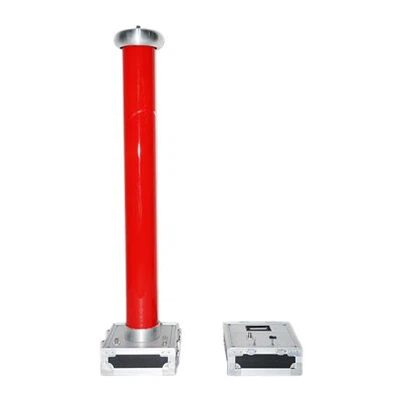

How To Choose The Right Transformer Oil Tester?
Leave a message
Choosing the right transformer oil tester depends on matching your specific testing needs, usage scenarios, and budget. Here are selection suggestions based on different dimensions to help you make an efficient decision:
Define the Testing Items: Selecting the Right Instrument Based on Your Needs is Key
There are many types of transformer oil testers, each corresponding to different testing indicators. The selection should be based on the key concerns in actual operation and maintenance.
Insulation Performance Testing – Choose a Withstand Voltage Tester (Dielectric Strength Meter)
Applicable Scenarios: Routine inspections, preventative testing, new oil acceptance
Recommended Types: Routine Testing: Fully automatic single-cup type, easy to operate, moderately priced. High-Efficiency Batch Testing: Three-cup or multi-cup fully automatic model, improving laboratory efficiency.
Key Parameters:
Output Voltage Range: Recommended to cover 0~80kV, meeting the needs of most substations.
Boost Rate: Complies with national standard GB/T 507 (2kV/s±0.2kV/s).
Safety Protection: Equipped with automatic power-off functions for overvoltage, overcurrent, and short circuit.
Aging Degree Assessment – Choose an Acid Value Meter
Applicable Scenarios: Monitoring oil deterioration in long-term operating equipment.
Recommended Type: Fully automatic titration type, supporting GB/T 264, GB/T 7599 Standard. Multi-position models (e.g., six-cup) are suitable for batch processing in power plant laboratories.
Advantages: Automatically completes liquid addition, stirring, endpoint determination, and printing, reducing human error.